
Nonprofit communication has a specific job: help people understand why the work matters, why support is needed now, and what action they can take. That job gets harder when the website says one thing, social media says another, and donation links appear only after the audience has already lost the thread.
Clear digital communication does not mean making every message short. It means making every channel easier to interpret. The National Council of Nonprofits points nonprofits toward marketing and communications resources because story, trust, and message discipline are part of running an effective organization online.
Start with the supporter's first question.
Before asking for a donation, a nonprofit should answer the questions a supporter is already carrying: What does this organization do? Who benefits? Why does this campaign matter? What will my support help make possible?
A useful campaign page should make those answers visible without forcing the visitor to search across several pages. The mission, current need, donation path, and proof of credibility should be close together.
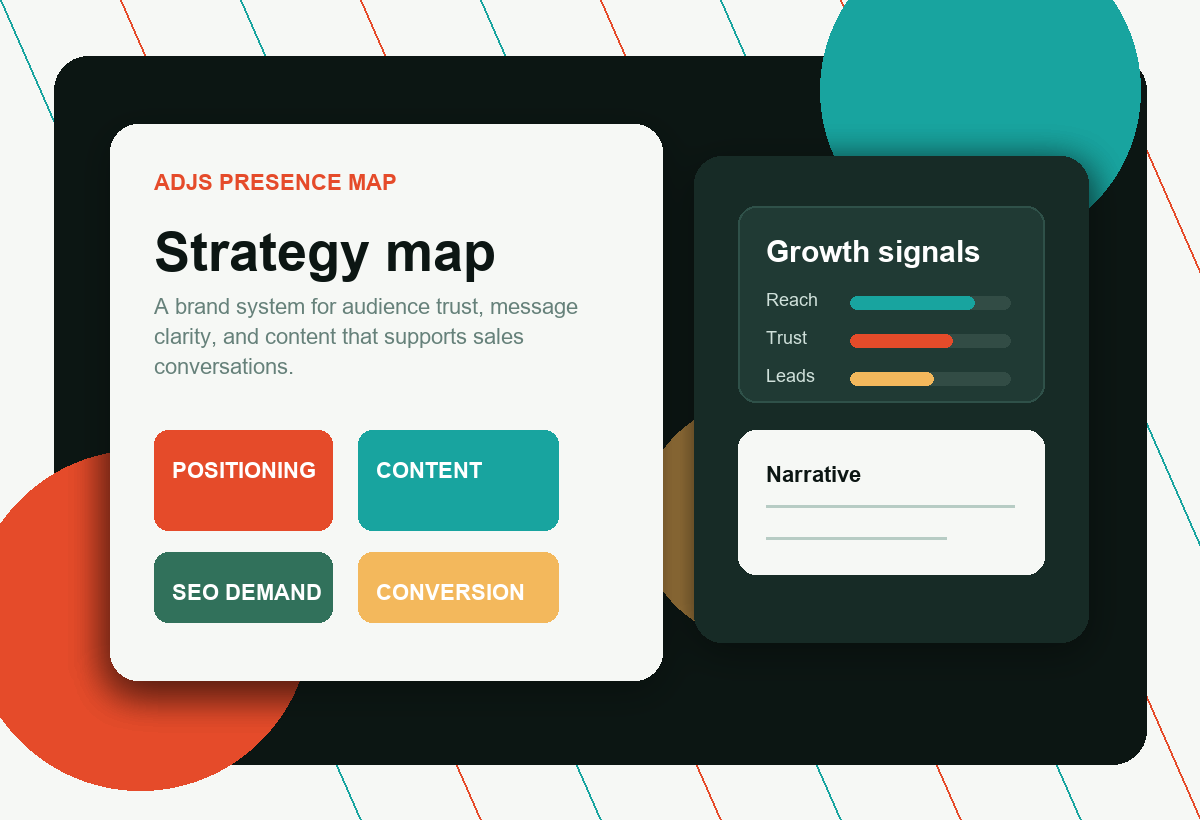
Build every fundraising campaign around four message blocks: mission, need, proof, and action.
Make proof easy to find.
Donors are not only responding to emotion. They are also deciding whether the organization appears credible. Public profiles, current website information, and transparent storytelling all help create confidence.
Candid's GuideStar profile tools are a useful reminder here: nonprofit visibility improves when public information is current, clear, and easy for donors or funders to evaluate.
Use social media to keep the story alive.
Social media is not just a place to repeat donation requests. It can show campaign progress, explain impact, thank supporters, answer common questions, and remind people why the goal matters.
Pew Research Center's social media fact sheet shows how widely platforms such as YouTube, Facebook, and Instagram are used by U.S. adults. That matters for nonprofits because the campaign conversation often happens across channels before a supporter visits a donation page.
Give every post a next step.
A good nonprofit post can educate, update, thank, or invite. But during a campaign, each post should still make the next action clear. That action may be donate, share, attend, volunteer, subscribe, or learn more.
Google for Nonprofits offers resources that can help organizations connect their tools, visibility, and outreach efforts. The larger lesson is simple: communication works better when the organization treats its website, email, social media, and measurement tools as one connected system.
A simple campaign communication checklist
- Put the campaign goal and deadline where visitors can see them quickly.
- Explain the human reason behind the fundraising target.
- Keep donation buttons or links close to the campaign story.
- Use social media updates to reinforce progress, urgency, and gratitude.
- Update public profiles and credibility signals before launching a campaign.
- Measure which channels send people to the donation page.
FAQ
Common nonprofit communication questions
What should a nonprofit communicate before asking for donations?
Explain the mission, the specific need, the proof behind the work, why support matters now, and the clearest next step a supporter can take.
Which channels matter most during a fundraising campaign?
Start with the channels your supporters already use. A clear donation page, coordinated email communication, and focused social updates are often a practical foundation.
How often should campaign messaging be updated?
Update supporters when there is useful progress, a clearer reason to act, or a meaningful campaign milestone. Consistency matters more than publishing without purpose.